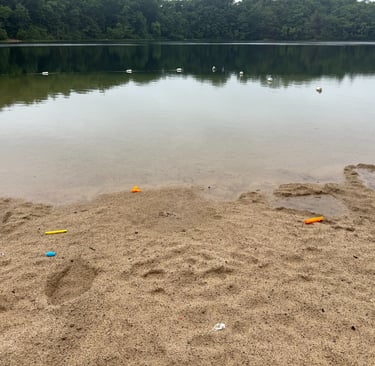
Part of what motivates us OLAUGers is of course taking care of the freshwater ponds of Cape Cod. These beautiful jewels are delicate ecosystems filled with turtles, frogs, insects, birds, and plants, whose survival depends on each other, and on us not altering things too much. Here are some of the reasons trash does not belong in these ponds.
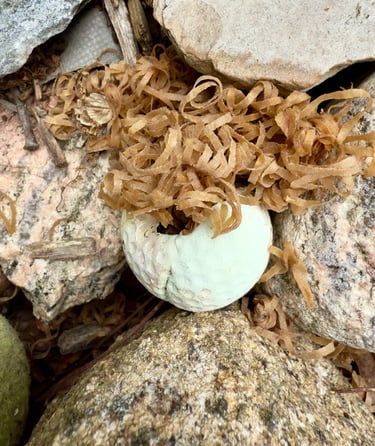
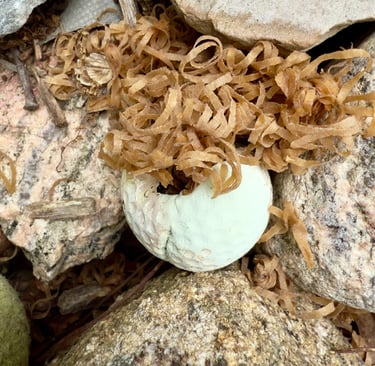
Approximately 1.2 billion golf balls are manufactured each year, and around 300 million are lost annually in the United States alone. Sometimes we think most of those end up in our ponds!
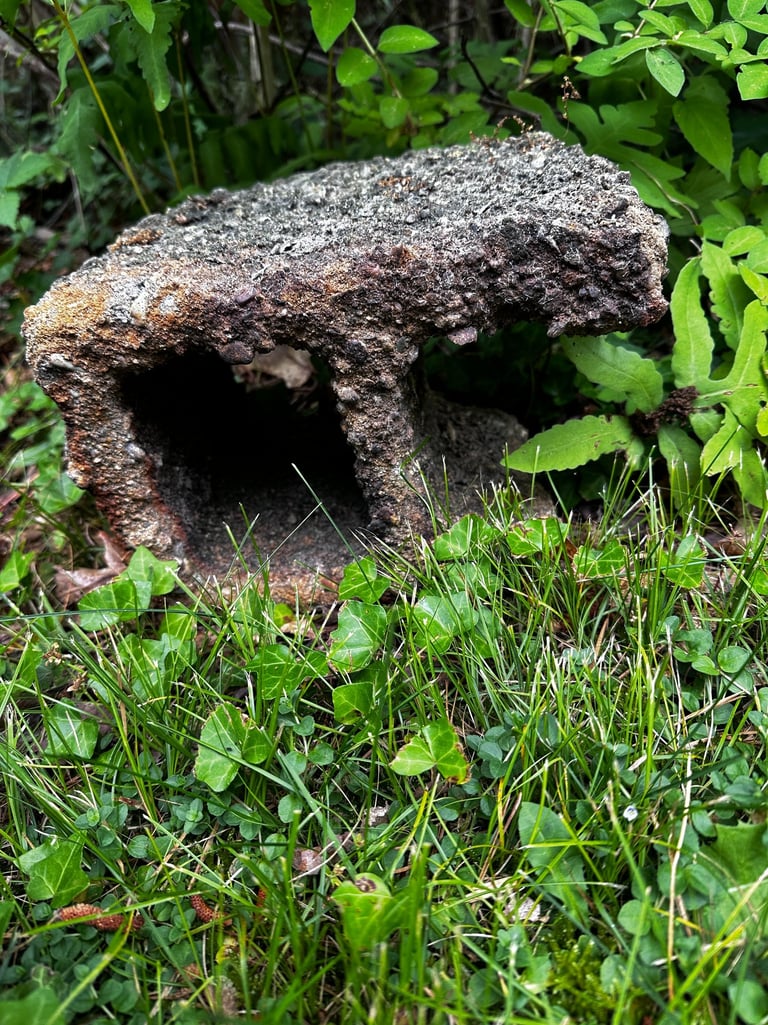
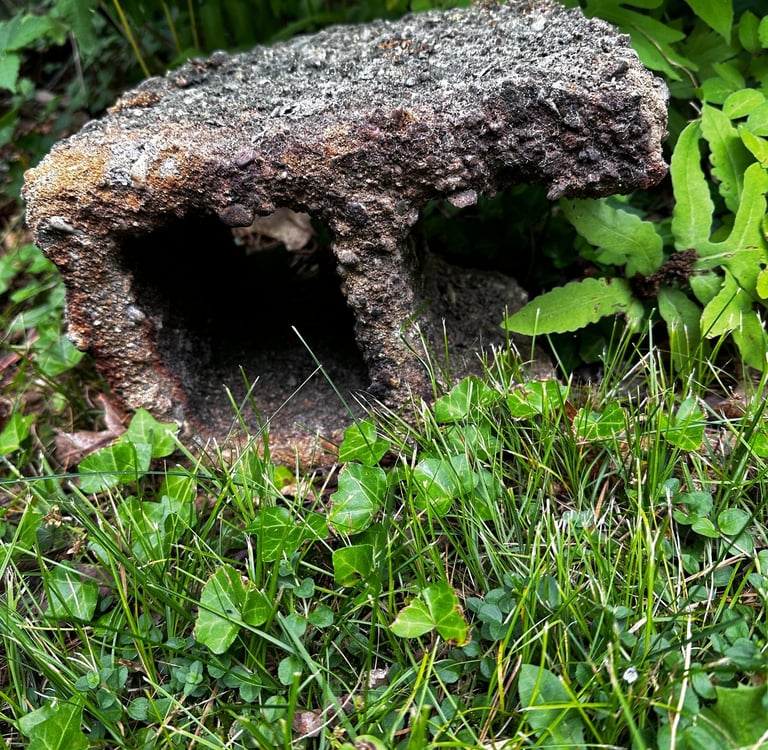
Concrete blocks: Concrete blocks are discouraged or banned as moorings or anchors because they create "dead zones" in ponds by crushing benthic habitats and are less efficient than mushroom or helical anchors, which provide better security while being less damaging to the environment.
In addition, although not inherently toxic, they can raise the pH level making water too alkaline by leaching lime and affecting sensitive fish. They break down quickly leaving messy debris. Acknowledging these issues, five Cape towns have banned the use of concrete blocks as anchors or moorings: Brewster, Eastham, Barnstable, Chatham and Yarmouth.
We find a lot of concrete blocks that have come loose from ropes and are abandoned at the bottom of ponds or on shorelines. They are heavy and difficult to remove and dispose of, but we are declaring 2026 "The Year of the Concrete Block!" We are making it our mission to remove as many as possible.
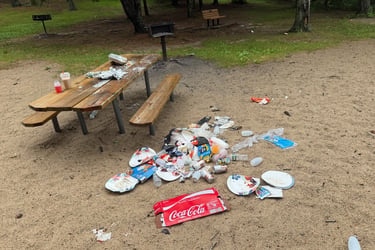
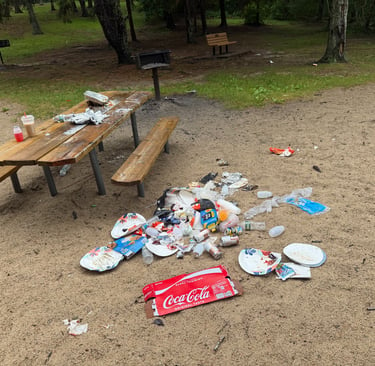
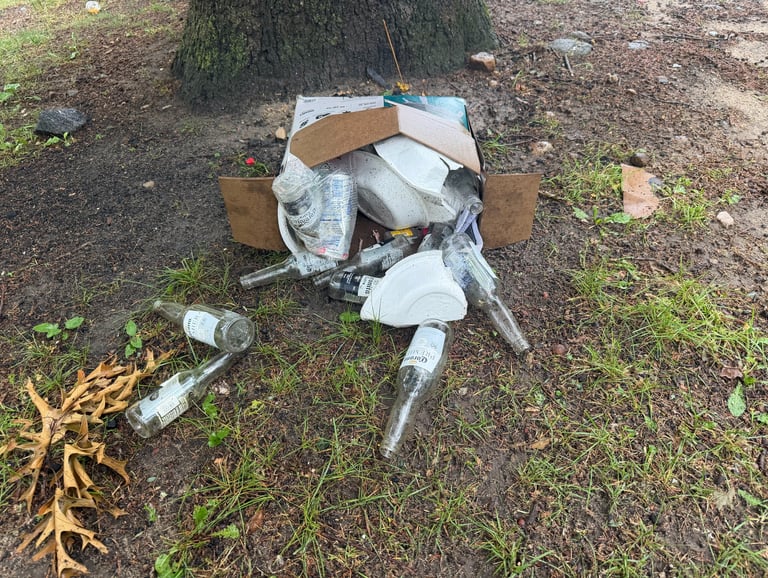
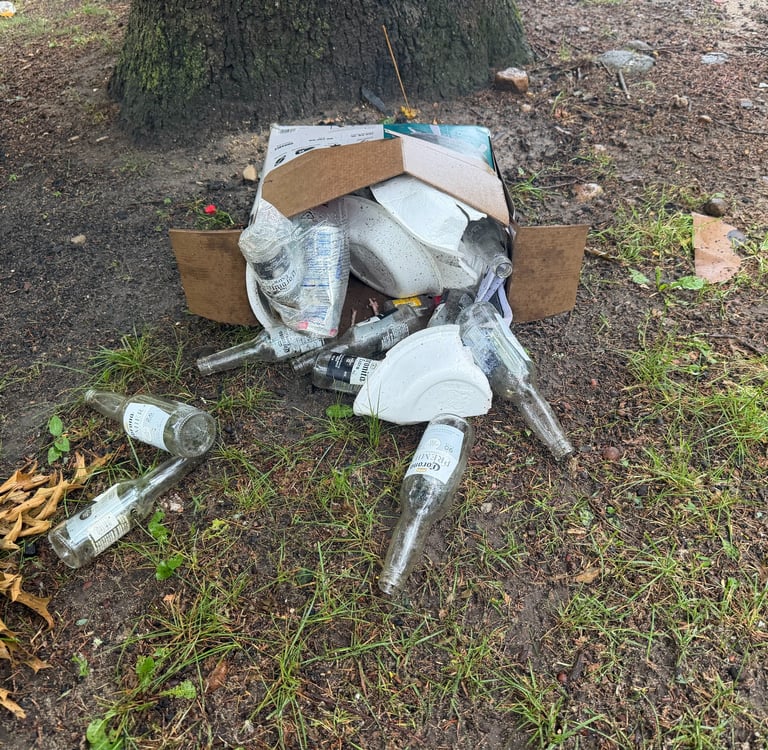
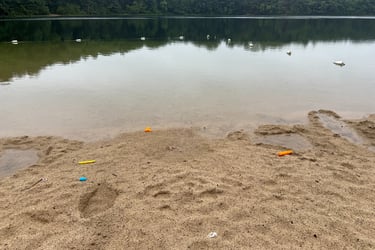
What you leave on the sidelines ends up in the pond, and becomes our job: Much as we love what we do, we would be even happier to be put out of business! By all means spend time enjoying a picnic pondside, but PLEASE clean up after yourself and dispose of trash properly. What you leave attracts animals, who eat stuff they shouldn't and spread it all around. Much of it blows into the pond. Gross.
"I like knowing a woman who talks trash then removes it.”
(A community paddler)